
Feeling safe enough to fail
On life, love, and chronic illness

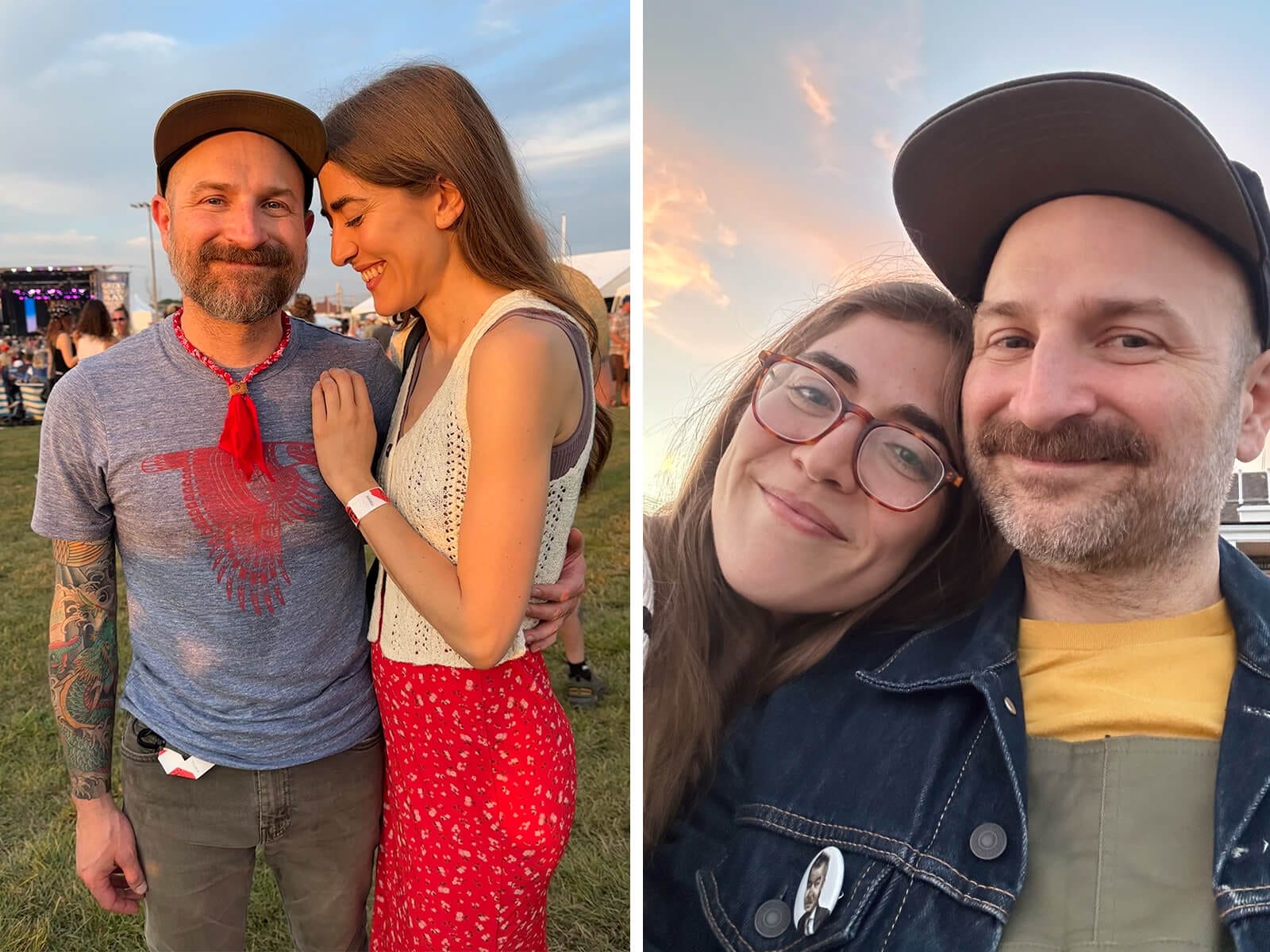
I had been dating Dave for a little over a year when I experienced a total collapse of life as I knew it. I was laid off from a job I had made my identity, and my Covid-induced chronic illness became too severe to ignore.
Swirling in the symptoms of my body’s shut down, I struggled to make sense of it.
I’d made it through a Jekyll & Hyde marriage, a divorce over Zoom, a pandemic relationship further highlighting my pattern of self-abandonment, and the deep loneliness that came with learning to be on my own. I’d finally fallen for someone good for me, and now my body was deciding to give up?
As frustrating as it’s been, this is pretty typical where burnout and chronic illness is concerned. Our bodies are incredibly resilient, until they’re not. You don’t think it can happen to you, until it does. And the clues are always there when you look back at the full picture. Things tend to be frustratingly obvious in hindsight.
There was the time my heart rate hit 175 bpm while we were driving back from a lovely day in the city. The endless breathlessness (and not in a whirlwind courtship type of way). The aching fatigue and migraines after Dave’s gigs and other shows together, even though I’ve completely nixed alcohol. And finally, the sweats and palpitations that redirected us from a Jeff Tweedy book signing to the ER.
After 3 years of pushing through increasingly concerning symptoms, I’m now taking time off to recover from Long Covid and ME/CFS, most notably PEM (Post-Exertional Malaise, or Punishment Every time you Move). I had no idea how much of the ME/CFS community was made up of former aspiring superhumans and recovering people pleasers, until I joined the most kind, supportive club nobody asked to be a part of. I also didn’t realize that managing a chronic illness was like a job in itself, and another role is often not sustainable until you have support and other systems in place. Even then it can take years to reach a certain energy threshold and recondition the body. This ignorance was due to being young, relatively healthy, and fortunate enough to take my body for granted (boy did I take it for granted), as well as internalizing deeply ingrained and ableist societal norms and notions about the chronically ill, which I am all too familiar with now.
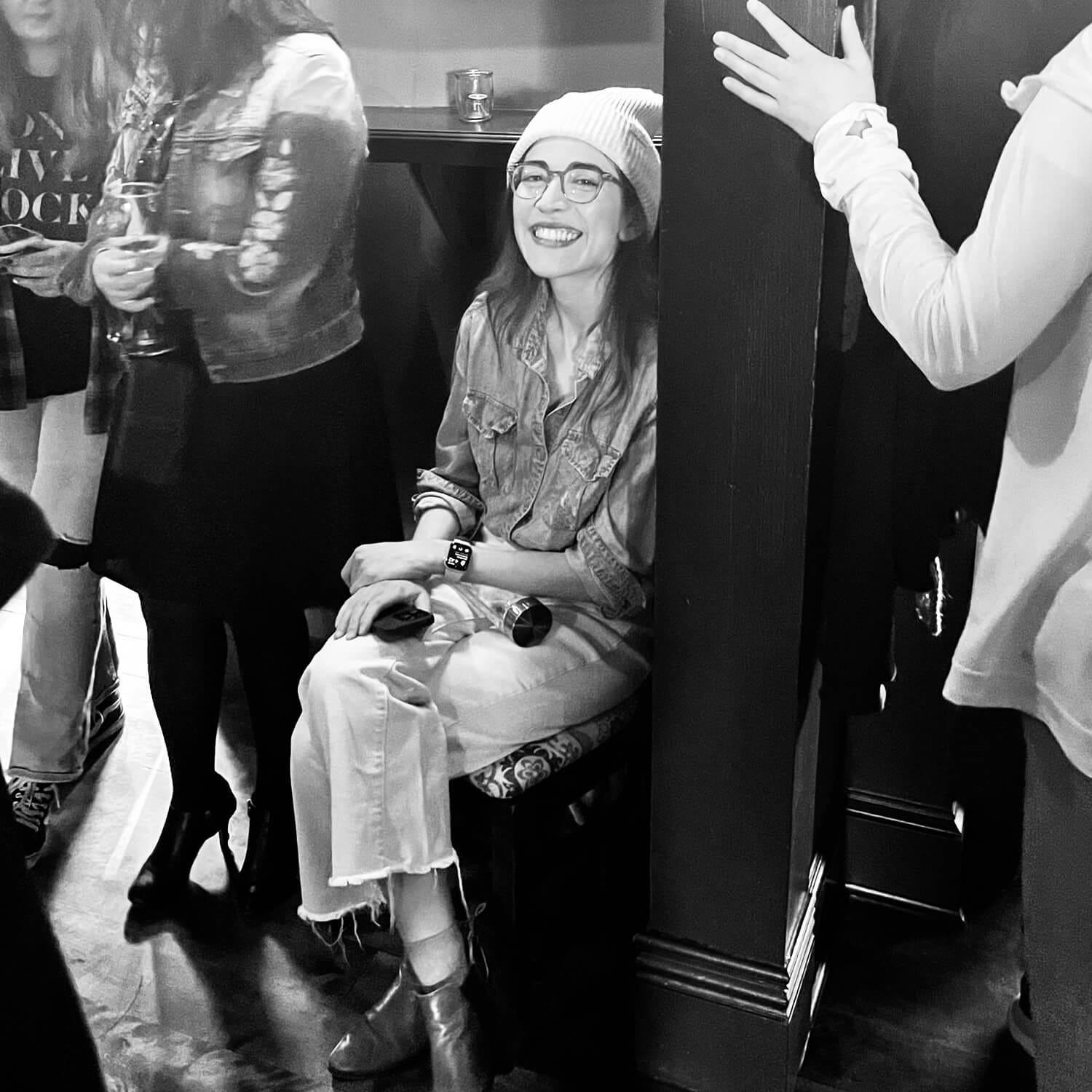
Less than 1% of the US population has completed a marathon (source: RunRepeat). As of March 2024, nearly 7% of adult Americans currently qualify for a formal diagnosis of Long Covid (source: CDC), and roughly half of those people meet the criteria for an ME diagnosis (source: World ME Alliance). If you’re lucky enough to not be a part of either of those groups (yeah, I said it) imagine how you would feel the day after a marathon, with zero training, minus the endorphins and thousands of people cheering you on. ME/CFS is like taking your previous energy “envelope” and shredding it, and then trying to determine which little torn up piece you’re working with today.
Each person with ME/CFS has a different energy envelope. According to the World ME Alliance, 1 in 4 are housebound or bed bound as a result of their illness—I’m currently in that group about 90% of the month. It’s been a collection of mundane moments that periodically come crashing down in windows of realization and bottomless grief. It’s the feeling of frustration when my Apple Watch seems to chastise me, a former D1 runner, for burning 50 calories in an entire week, when my body is telling me to stay put. (I’ve since replaced it with a Visible arm band designed for chronic illness.) It’s paying a dog walker to come twice a day when all I want to do is drive my best bud to the beach. It’s keeping my tray of supplements and other helpers nearby so I don’t forget to take them. It’s sleeping in the room that used to be my home office to avoid taking the stairs to my bedroom and the nightmares associated with that space. It’s washing my hair once every 4 days, if I can lift my head from the pillow that week. It’s acknowledging the support and privilege woven into my days and the fact that I would be much worse off without it.
One of my favorite clips of all time is Jim Carrey talking about his battle with depression. He suggests that we become depressed when our body is no longer able to play the character we’ve been forcing it to be. He believes that, in the words of Jeff Foster, our body needs the depression, or “deep-rest” in order to recover. Like depression, Long Covid and ME/CFS cause us to slow down, often to the point of stopping until our bodies can heal, and our nervous systems can reset. I’ve gone from working full days at my computer without eating or using the restroom, to sitting outside in the sun with my feet in the grass. From binge watching reality TV shows (honestly, still love ‘em) to spending hours closing my eyes and listening to calming music. Cuddle puddling with Dave and my cat and dog has become the quiet highlight of my week. I’ve started to zoom in on the present moment and reconnect with the beauty of being alive. When so much is lost, there is space to gain new perspective.
With time, and admittedly tons of resistance, I’m learning how to listen to my body and pace myself through each day. From taking a fatigue rescue course with UK wellness & lifestyle coach Pamela Rose, I’ve learned that “signals” are the signs our bodies use to let us know they need rest. As my body tries to warn me of an impending crash, I might start forgetting words, experience tightness in my chest, or feel pressure building in my head. If I ignore the signs and try to boom, I bust. Symptoms take over a day, a week, even months to resolve—unrelenting fatigue, brain fog, migraines and chronic pain. The goal is to rest when we experience signals so we can manage and reduce symptoms long term.
Anyone could benefit from pacing, and certainly from listening to the signals our bodies use to tell us we’re doing too much, in the wrong relationship, or on the wrong path. We think we have a choice in the matter, and for a period of time we might. But the more you ignore them, the louder they get. I hope this cautionary tale encourages you, dear reader, to mind your body’s signs and take small steps in the direction of a more balanced, authentic life. You only get one! Take good care of it.
I consider myself incredibly lucky to have found Dave in the midst of my rocky path to recovery. And it’s not just because he’s an absolute gem and is supporting me through this period of my life. In the act of loving him, I’m learning what it means to be safe - both with someone and for someone else. After a lifetime of pushing past, against, and through, I was able to stop and face the tidal wave I had been running from. I was able to fail at being superhuman, and start being real. I was able to say no to people who didn’t resonate with who I am at my core. I was able to stand still, and just let him hold me through the storm.
I’m learning how to reframe my narrative to be both realistic and positive, and to stop hiding my true self because I don’t feel, physically or inherently, “good.” While I don’t know whether everything happens for a reason, in hindsight, I can see the lessons I’m meant to learn. With acceptance, I’m practicing loving myself and my experiences in this moment so I can build a life of meaning and purpose now and in the future.
You are an amazing writer. I have only recently learned to actually stop when my body is telling me something. 45 years of fighting chronic illness has finally taken its toll. Had I read this 15 years ago, I might have slowed down earlier.
I’m so glad you have Dave. Doing this alone is difficult.
Oh Lisa, you lost much. But there is a writer here. I wish you so well. Read every word.